

What Makes a Transparent Tube Essential in Modern Industries?
2026-06-04
In today's industrial and commercial environments, the demand for visibility, efficiency, and durability has led to the widespread adoption of the Transparent Tube. Whether used in fluid transfer systems, medical devices, food processing equipment, laboratories, or industrial machinery, a Transparent Tube provides users with the ability to visually monitor flow conditions while maintaining excellent mechanical performance.
Unlike opaque tubing, transparent solutions allow operators to quickly identify blockages, air bubbles, contamination, or flow interruptions. This simple yet powerful advantage helps improve operational safety, reduce downtime, and enhance overall productivity.
As industries continue to prioritize quality control and process optimization, the Transparent Tube has become an indispensable component across numerous applications.
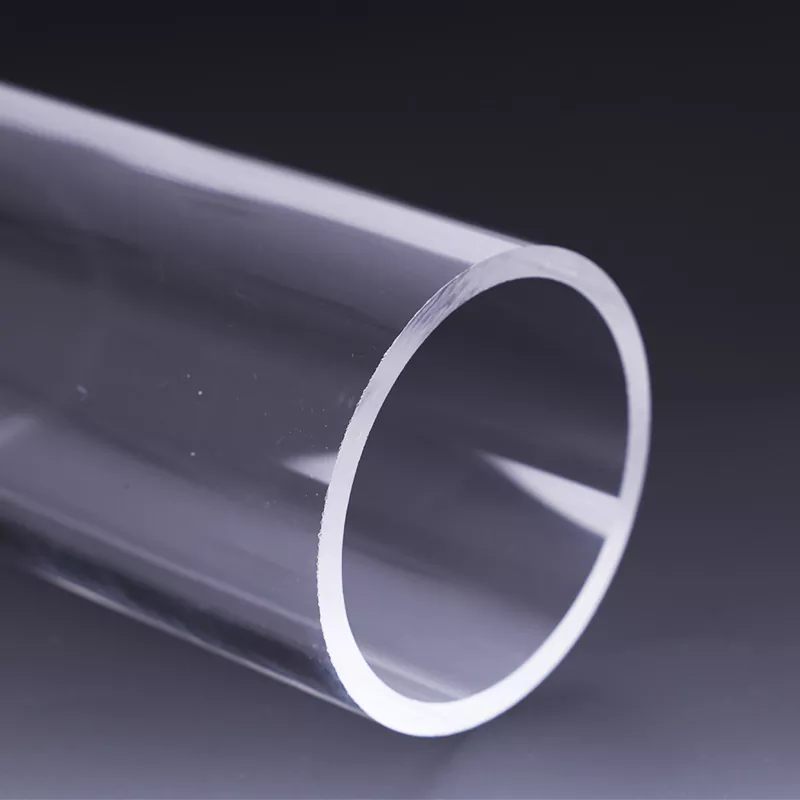
Why Is a Transparent Tube So Important?
A Transparent Tube offers a unique combination of functionality and visibility. It allows users to inspect liquids, gases, and materials in real time without interrupting operations.
Key Benefits
-
Easy visual monitoring of fluid flow
-
Quick detection of contamination or blockages
-
Improved safety and operational control
-
Reduced maintenance costs
-
High flexibility and durability
-
Compatibility with various industrial systems
These advantages make transparent tubing a preferred choice in industries where precision and reliability are critical.
Common Materials Used in Transparent Tubes
Different applications require different material properties. Selecting the right material ensures optimal performance and longevity.
| Material | Features | Typical Applications |
|---|---|---|
| PVC | Flexible, economical, lightweight | Water transfer, agriculture |
| Silicone | High-temperature resistance, non-toxic | Medical and food industries |
| Polycarbonate | Impact-resistant, transparent | Industrial equipment |
| Acrylic | Excellent clarity, rigid structure | Display and laboratory use |
| PU (Polyurethane) | Abrasion-resistant, flexible | Pneumatic systems |
Understanding these material differences helps users choose the most suitable Transparent Tube for their specific requirements.
Applications of Transparent Tubes Across Industries
1. Medical Industry
Medical equipment often requires clear tubing to monitor fluid movement and ensure patient safety.
Examples include:
-
IV infusion systems
-
Catheters
-
Blood transfer lines
-
Respiratory equipment
The transparency allows healthcare professionals to detect air bubbles and monitor flow rates accurately.
2. Food and Beverage Processing
Food-grade Transparent Tubes are widely used for transferring liquids such as:
-
Milk
-
Juice
-
Water
-
Syrups
-
Alcohol-free beverages
The clear construction helps operators maintain hygiene standards and monitor product quality during processing.
3. Industrial Manufacturing
Manufacturing facilities rely on transparent tubing for:
-
Chemical transportation
-
Lubrication systems
-
Pneumatic equipment
-
Cooling systems
Visual inspection capabilities significantly reduce maintenance time and improve operational efficiency.
4. Laboratory and Scientific Research
Laboratories require precise monitoring of fluids and gases during experiments.
Transparent Tubes help researchers:
-
Observe chemical reactions
-
Measure flow rates
-
Prevent contamination
-
Maintain experimental accuracy
How Does a Transparent Tube Improve Operational Efficiency?
Efficiency is one of the primary reasons businesses choose transparent tubing solutions.
Real-Time Monitoring
Operators can instantly observe system conditions without disassembling equipment.
Faster Troubleshooting
Issues such as:
-
Air bubbles
-
Sediment buildup
-
Flow restrictions
-
Leaks
can be identified immediately, minimizing production interruptions.
Reduced Maintenance Costs
Preventive maintenance becomes easier because technicians can visually inspect tubing conditions before serious problems develop.
Factors to Consider When Choosing a Transparent Tube
Selecting the right tubing requires evaluating several important factors.
Temperature Resistance
Different materials tolerate different temperature ranges. High-temperature applications may require silicone tubing, while standard environments can utilize PVC options.
Chemical Compatibility
The tube material must resist degradation when exposed to chemicals, oils, solvents, or cleaning agents.
Pressure Requirements
Industrial systems often operate under varying pressure levels. Ensure the tubing can withstand the intended operating conditions.
Flexibility
Some installations require highly flexible tubing, while others benefit from rigid transparent tubes for structural stability.
Regulatory Compliance
Food, beverage, and medical applications often require compliance with industry standards and certifications.
Transparent Tube vs Opaque Tube
The choice between transparent and opaque tubing depends on operational requirements.
| Feature | Transparent Tube | Opaque Tube |
|---|---|---|
| Visual Monitoring | Excellent | Limited |
| Problem Detection | Immediate | Difficult |
| Maintenance Efficiency | High | Moderate |
| Process Control | Better | Standard |
| Inspection Convenience | Superior | Lower |
For applications where observation and quality control are priorities, Transparent Tubes offer significant advantages.
Why Quality Manufacturing Matters
The performance of a Transparent Tube depends heavily on manufacturing quality. Poor-quality tubing may suffer from:
-
Yellowing
-
Cracking
-
Reduced transparency
-
Material degradation
-
Short service life
High-quality production processes ensure consistent clarity, durability, and reliability.
As a professional manufacturer, Jiangsu Hongkai Plastic Technology Co., Ltd. focuses on producing premium transparent plastic tubing solutions designed to meet the evolving needs of industrial, medical, agricultural, and commercial customers worldwide.
Through advanced manufacturing technology, strict quality control procedures, and continuous innovation, the company delivers products that combine transparency, strength, flexibility, and long-term performance.
Future Trends in Transparent Tube Technology
As industries move toward smarter manufacturing and automation, Transparent Tubes are expected to become even more important.
Emerging trends include:
-
Enhanced chemical resistance
-
Improved UV protection
-
Eco-friendly materials
-
Higher pressure tolerance
-
Smart monitoring integration
These innovations will further expand the range of applications and improve operational reliability across multiple sectors.
Conclusion
The Transparent Tube has become a vital component in modern industrial systems due to its exceptional visibility, versatility, and performance. From medical devices and food processing equipment to manufacturing machinery and laboratory applications, transparent tubing helps improve safety, efficiency, and quality control.
Choosing the right material, size, and manufacturing partner is essential to achieving the best results. With extensive industry experience and a commitment to quality, Jiangsu Hongkai Plastic Technology Co., Ltd. provides reliable Transparent Tube solutions that meet the demands of today's competitive markets.
If you are looking for high-quality Transparent Tube products tailored to your specific application requirements, contact us today. Our professional team is ready to help you find the ideal tubing solution and support your business with dependable products and expert service.