
How Does Galvanized Steel Enhance Corrosion Resistance?
2026-03-04
Article Summary
Galvanized steel is a cornerstone material in construction, manufacturing, and infrastructure due to its superior corrosion resistance and durability. This article explores the fundamentals of galvanized steel, its key benefits, manufacturing processes, selection criteria, and common applications. It also addresses typical challenges faced by users and provides guidance on choosing the right type of galvanized steel for different projects.
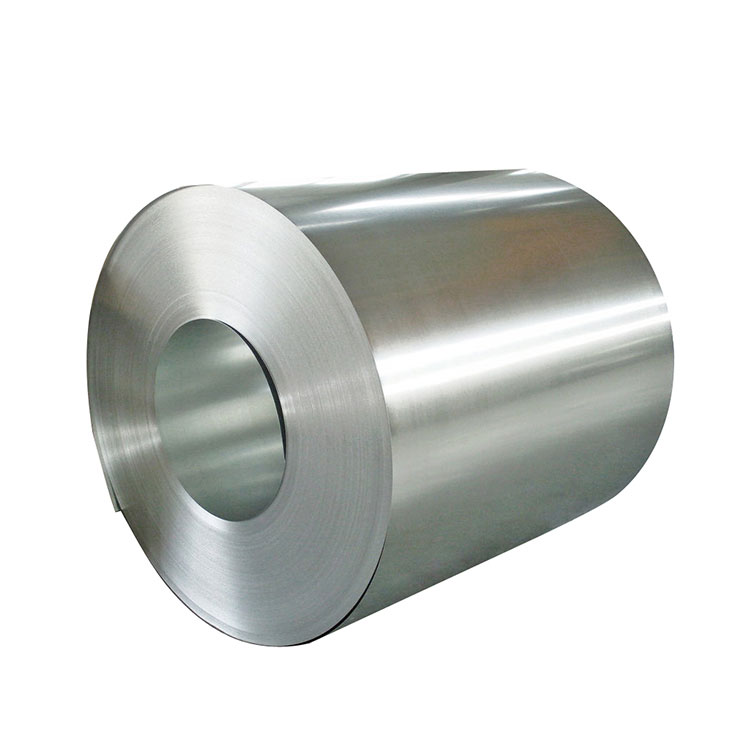
Table of Contents
- Galvanized Steel Overview
- Key Benefits of Galvanized Steel
- Manufacturing Processes
- How to Choose the Right Galvanized Steel
- Applications Across Industries
- Common Customer Challenges
- Galvanized Steel Comparison Table
- Quality Control and Standards
- Frequently Asked Questions
- Conclusion and Contact Us
Galvanized Steel Overview
Galvanized steel is produced by coating ordinary steel with a layer of zinc to protect it from corrosion and extend its service life. The zinc layer acts as a sacrificial barrier, preventing rust formation even if the surface is scratched. This combination of steel strength and zinc protection makes galvanized steel ideal for outdoor, industrial, and marine environments.
CREATE specializes in providing high-quality galvanized steel with precise zinc coatings, ensuring consistent performance across multiple applications.
Key Benefits of Galvanized Steel
Galvanized steel offers a variety of advantages that address common challenges in construction and manufacturing:
- Corrosion Resistance: The zinc coating protects steel from oxidation and environmental damage.
- Long Service Life: Properly galvanized steel can last 30-50 years outdoors.
- Cost-Effectiveness: Reduces the need for frequent maintenance and repainting.
- Durability: Retains mechanical strength while resisting scratches and minor damages.
- Versatility: Suitable for roofing, pipelines, automotive parts, and structural frameworks.
Manufacturing Processes
The most common methods for producing galvanized steel are hot-dip galvanization and electro-galvanization:
- Hot-Dip Galvanization: Steel is immersed in molten zinc, forming a metallurgical bond. This produces a thick, durable coating suitable for outdoor and high-stress applications.
- Electro-Galvanization: Zinc is applied using an electrochemical process, resulting in a thinner, more uniform coating. Ideal for precise industrial components.
CREATE employs both methods depending on customer requirements, ensuring optimal corrosion resistance and surface finish.
How to Choose the Right Galvanized Steel
Choosing the correct type of galvanized steel requires careful consideration of multiple factors:
- Environmental exposure (outdoor, coastal, industrial)
- Required coating thickness and longevity
- Mechanical strength and structural requirements
- Surface finish and post-processing needs
- Compliance with industry standards (ASTM, ISO)
CREATE provides technical consultation to help clients select the ideal galvanized steel type for specific project conditions.
Applications Across Industries
Galvanized steel is widely used due to its combination of strength and corrosion resistance:
- Construction: roofing, beams, cladding
- Automotive: chassis components, body panels
- Infrastructure: bridges, guardrails, pipelines
- Marine: shipbuilding, docks, offshore platforms
- Industrial equipment: storage tanks, machinery enclosures
Common Customer Challenges
Despite its advantages, galvanized steel may present some challenges if not properly selected or maintained:
- Poor adhesion due to improper surface preparation
- Uneven coating thickness in complex shapes
- White rust formation in high-humidity environments
- Compatibility issues with welding or painting
- Scratches or abrasions reducing corrosion protection
CREATE addresses these challenges by delivering quality-controlled products with customized coatings and technical support.
Galvanized Steel Comparison Table
| Type | Coating Method | Typical Thickness | Primary Applications |
|---|---|---|---|
| Hot-Dip Galvanized | Immersion in molten zinc | 45-200 μm | Structural steel, outdoor equipment, bridges |
| Electro-Galvanized | Electrochemical deposition | 5-25 μm | Automotive parts, precision industrial components |
| Pre-Galvanized Steel | Galvanized before fabrication | 15-50 μm | Construction panels, roofing sheets |
Quality Control and Standards
Quality control is crucial to ensure that galvanized steel meets performance and durability expectations. Key quality checks include:
- Zinc coating thickness measurement
- Adhesion and scratch resistance testing
- Corrosion resistance evaluation (salt spray test)
- Surface smoothness and uniformity inspection
- Compliance with ASTM, ISO, and local regulations
CREATE implements rigorous quality control protocols to guarantee consistent and reliable galvanized steel for all applications.
Frequently Asked Questions
Can galvanized steel be welded?
Yes, but proper techniques should be applied to avoid damaging the zinc coating and ensure structural integrity.
How long does galvanized steel last outdoors?
Depending on coating thickness and environmental conditions, galvanized steel can last 30 to 50 years or more.
Is galvanized steel suitable for marine environments?
Yes, but additional protective measures may be recommended in highly saline conditions.
Can galvanized steel be painted?
Yes, but surface preparation such as cleaning and priming is necessary for long-lasting adhesion.
Conclusion and Contact Us
Galvanized steel is a versatile and durable material essential for construction, automotive, and industrial applications. Understanding its properties, manufacturing methods, and proper selection ensures optimal performance and long-term corrosion protection. CREATE provides high-quality galvanized steel solutions tailored to project requirements, offering technical support and consistent product performance.
For professional guidance on selecting galvanized steel or to source high-performance products, contact us today and let CREATE support your next project with reliable materials and expert advice.