

How Do PAI Sheets Enhance Industrial Protection and Performance?
2026-07-03
Article Summary
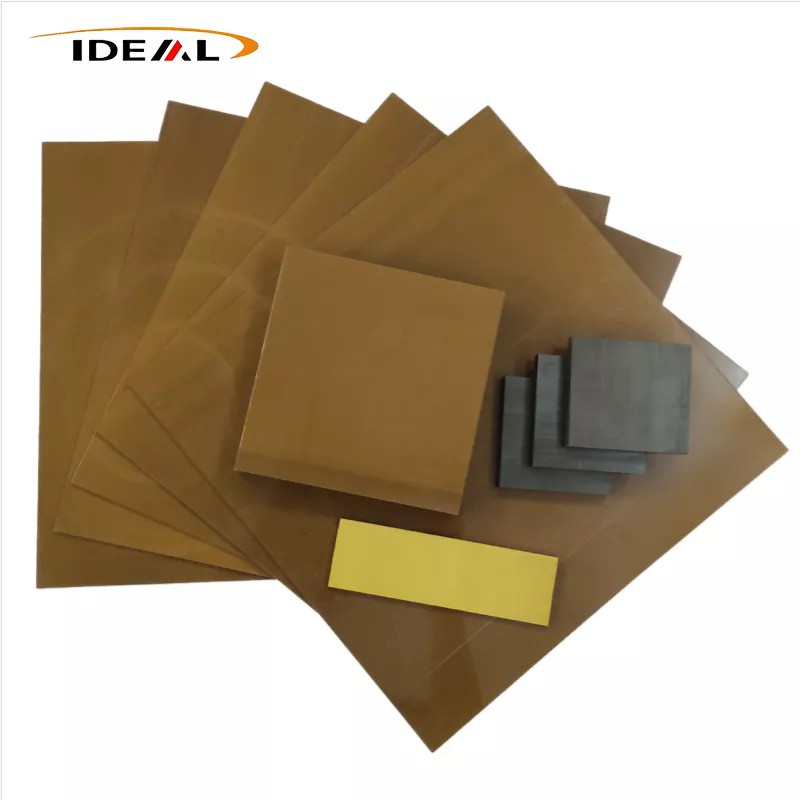
PAI Sheets (Polyamide-imide sheets) are advanced engineering thermoplastic materials widely used in high-performance industrial environments where extreme heat resistance, mechanical strength, and dimensional stability are required. This article explores how PAI Sheets function, their key advantages, application scenarios, and how industries can leverage them to improve operational reliability and product longevity. It also provides practical selection guidance, comparison data, and frequently asked questions to help decision-makers choose the right material for demanding applications.
Outline
- Introduction to PAI Sheets
- Key Material Properties and Structure
- Why Industries Use PAI Sheets
- Application Scenarios
- Performance Comparison Table
- Selection and Usage Guidelines
- Common Challenges and Solutions
- FAQ Section
- Conclusion and Contact Information
Table of Contents
Introduction to PAI Sheets
PAI Sheets, short for Polyamide-imide sheets, are high-performance thermoplastic materials designed for extreme industrial environments. Unlike conventional plastics, PAI Sheets maintain structural integrity under continuous high temperatures, heavy mechanical loads, and chemically aggressive conditions. These characteristics make them a preferred choice in aerospace, semiconductor manufacturing, automotive engineering, and precision machinery industries.
In modern engineering applications, material failure is not an option. Downtime, deformation, or wear can result in significant operational losses. PAI Sheets address these concerns by providing a stable and durable material platform capable of sustaining long-term mechanical and thermal stress.
Key Material Properties and Structure
The performance of PAI Sheets is derived from their unique molecular structure, which combines aromatic imide and amide linkages. This configuration provides exceptional rigidity and thermal resistance.
- High Temperature Resistance: Continuous use temperatures up to approximately 250°C or higher depending on grade.
- Excellent Mechanical Strength: High tensile and compressive strength under load.
- Low Wear Rate: Ideal for friction and sliding applications.
- Dimensional Stability: Minimal expansion or deformation under heat.
- Chemical Resistance: Resistant to oils, fuels, and many industrial solvents.
These properties allow engineers to replace metal or lower-grade plastics in demanding applications, reducing system weight while maintaining durability.
Why Industries Use PAI Sheets
Industries adopt PAI Sheets primarily to solve problems related to wear, heat degradation, and component failure. Traditional materials often struggle in high-load or high-temperature environments, leading to frequent maintenance cycles and increased costs.
PAI Sheets provide a long-term solution by significantly extending service life and improving operational efficiency.
- Reduced machine downtime due to fewer replacements
- Improved efficiency in high-speed mechanical systems
- Lower lifecycle maintenance costs
- Enhanced safety in critical applications
Guangzhou Ideal Plastic Technology Co., Ltd. supplies engineered plastic solutions designed for such demanding environments, ensuring consistent material quality and performance stability across industrial applications.
Application Scenarios
PAI Sheets are used across multiple industries due to their adaptability and resilience. Below are the most common application areas:
- Aerospace Components: Structural parts requiring heat resistance and low weight
- Semiconductor Equipment: Precision fixtures and insulating components
- Automotive Systems: Bearings, seals, and wear pads
- Industrial Machinery: Gears, bushings, and sliding components
- Electrical Insulation: High-voltage insulating structures
In each of these scenarios, material failure can lead to production disruptions. PAI Sheets minimize this risk by maintaining consistent performance under extreme operational stress.
Performance Comparison Table
The following table compares PAI Sheets with other commonly used engineering plastics:
| Material | Heat Resistance | Wear Resistance | Mechanical Strength | Cost Level |
|---|---|---|---|---|
| PAI Sheets | Excellent | Excellent | Very High | High |
| PEEK | Very Good | Very Good | High | High |
| Nylon | Moderate | Moderate | Moderate | Low |
| PTFE | Good | Low | Low | Moderate |
Selection and Usage Guidelines
Choosing the right PAI Sheet grade depends on operating conditions such as temperature, load, friction requirements, and chemical exposure. Proper selection ensures maximum efficiency and longevity.
- For high-temperature environments, prioritize thermal stability grades
- For friction-heavy systems, select wear-resistant formulations
- For electrical applications, ensure high dielectric strength
- For chemical exposure, verify compatibility with industrial fluids
Proper machining and handling are also essential. PAI Sheets require precision machining tools and controlled conditions to maintain structural integrity during fabrication.
Common Challenges and Solutions
-
Challenge: High material cost
Solution: Optimize design to reduce material waste and extend lifecycle savings. -
Challenge: Machining difficulty
Solution: Use carbide tools and controlled feed rates. -
Challenge: Limited availability in some regions
Solution: Work with reliable suppliers like Guangzhou Ideal Plastic Technology Co., Ltd. for stable sourcing.
Frequently Asked Questions (FAQ)
Q1: What are PAI Sheets made of?
A: PAI Sheets are made from polyamide-imide polymers designed for high thermal and mechanical performance.
Q2: Can PAI Sheets replace metal components?
A: In many cases, yes. They are used as lightweight alternatives to metals in wear and structural applications.
Q3: Are PAI Sheets suitable for continuous high-temperature use?
A: Yes, they are engineered for sustained exposure to high temperatures without significant degradation.
Q4: What industries benefit most from PAI Sheets?
A: Aerospace, automotive, semiconductor, and industrial machinery sectors benefit significantly.
Q5: How do I choose a reliable supplier?
A: Look for manufacturers with stable production capability, material consistency, and technical support such as Guangzhou Ideal Plastic Technology Co., Ltd.
Conclusion
PAI Sheets represent a high-performance solution for industries that demand reliability under extreme conditions. Their combination of thermal stability, mechanical strength, and wear resistance makes them indispensable in modern engineering systems. By selecting the appropriate grade and working with experienced suppliers, companies can significantly improve equipment longevity and operational efficiency.
Guangzhou Ideal Plastic Technology Co., Ltd. continues to provide advanced polymer material solutions tailored to industrial needs, ensuring consistent quality and technical support for global customers.
For more product details or customized solutions, please contact us today and let our team support your engineering requirements with professional material expertise.