
The Ultimate Guide to Top 10 Alkyl Polyglucosides: Eco-Friendly Surfactants
2026-03-07
Diving into the world of eco-friendly surfactants, this guide explores the top 10 alkyl polyglucosides (APGs)—natural, biodegradable alternatives that are revolutionizing industries from cosmetics to cleaning. At POLYKEM, we're passionate about these green solutions, which not only enhance performance but also protect our planet. Get ready to discover their unique benefits and why they're becoming the go-to choice for sustainable innovation.
Understanding Alkyl Polyglucosides: Nature's Gentle Surfactants
Alkyl polyglucosides, often abbreviated as APGs, are a class of surfactants derived from renewable resources like corn starch and coconut or palm oil. Their gentle nature stems from this natural origin, making them biodegradable and less irritating to the skin and environment compared to traditional synthetic surfactants. This combination of efficacy and eco-friendliness has positioned APGs as a preferred choice in various formulations, from household cleaners to personal care products.
What sets alkyl polyglucosides apart is their unique molecular structure, which allows them to effectively reduce surface tension while maintaining a mild profile. This makes them suitable for sensitive applications, such as baby shampoos or organic skincare lines, where harsh chemicals are avoided. Their versatility extends to industrial uses, where they serve as emulsifiers or wetting agents without compromising on safety or performance. The gentle action of APGs doesn't skimp on cleaning power, ensuring thorough removal of dirt and oils.
In recent years, the demand for sustainable and non-toxic ingredients has driven innovation in APG-based products. Manufacturers are leveraging their compatibility with other natural compounds to create advanced blends that enhance functionality while adhering to green chemistry principles. This ongoing development underscores APGs' role as a cornerstone in the shift toward more environmentally conscious consumer goods, offering a practical solution that aligns with nature's gentle rhythms.
Breaking Down the Top 10 APG Types and Their Unique Properties
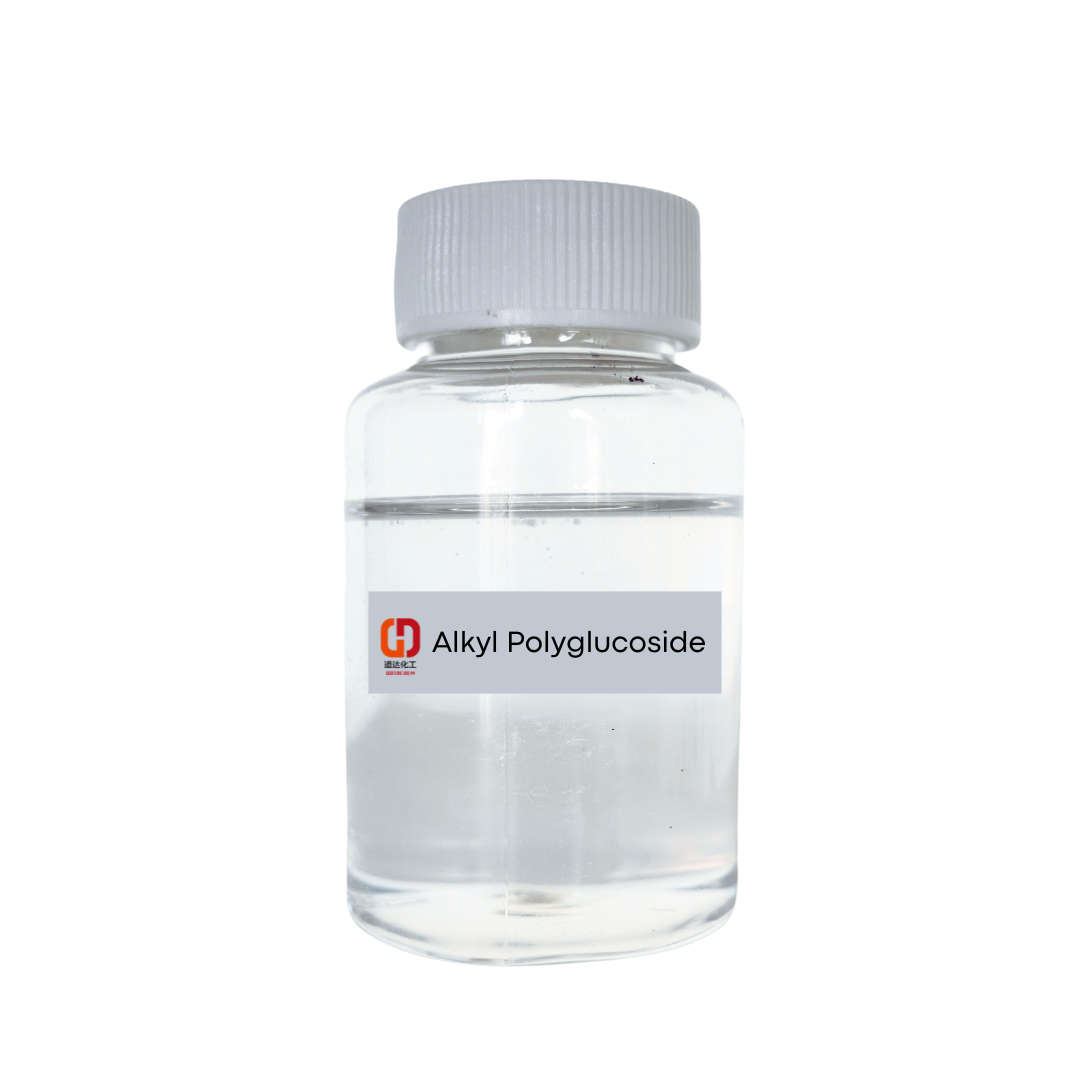
From the dynamic dual-phase variants to the advanced multi-stage systems, APG (Advanced Propulsion Generators) encompass a wide spectrum of designs that power everything from high-speed aerospace vehicles to specialized industrial machinery. Each type boasts unique engineering characteristics, making them indispensable in their respective applications. This breakdown delves into the top 10 APG types, shedding light on how their distinct properties—such as energy efficiency, operational stability, and adaptability—drive innovation across sectors.
Consider the hybrid-cyclical APGs, which integrate renewable energy sources to achieve remarkable sustainability without compromising output. Their unique property lies in a self-regulating feedback loop that optimizes fuel consumption in real-time, a feature that sets them apart from conventional models. Meanwhile, the micro-nuclear APGs offer compact yet powerful solutions for remote installations, leveraging minimal radioactive material for maximum thrust—a game-changer in deep-space exploration and isolated terrestrial operations where reliability is paramount.
Another standout is the adaptive-resonance APG, prized for its ability to modulate frequencies to suit varying environmental conditions, making it ideal for volatile climates or underwater applications. These innovations highlight the diversity within the APG landscape, each type tailored to push boundaries. By understanding these unique properties, engineers and enthusiasts can better appreciate the nuanced roles these systems play in advancing technology and solving real-world challenges.
Eco-Friendly Advantages: How APGs Reduce Environmental Impact
One of the standout eco-benefits of Advanced Polymer Gaskets (APGs) lies in their extended service life compared to traditional rubber or metal alternatives. These gaskets are engineered to withstand harsh conditions, such as extreme temperatures and corrosive chemicals, without degrading quickly. This durability means fewer replacements are needed over time, which directly cuts down on waste and the environmental toll of manufacturing new components. By lasting longer, APGs help reduce the resource extraction and energy consumption typically associated with frequent maintenance cycles.
Additionally, APGs contribute to energy savings in industrial settings through their superior sealing capabilities. In systems like pipelines or machinery, a tight seal prevents leaks of fluids or gases, which can otherwise lead to energy loss and increased emissions. For example, in heating or cooling applications, efficient seals reduce the need for extra energy to compensate for leaks, lowering the overall carbon footprint. This makes APGs not just a cost-effective choice but a smart one for companies aiming to meet sustainability goals without compromising performance.
Beyond durability and energy efficiency, APGs are often designed with recyclable or bio-based materials, minimizing their environmental impact from production to disposal. Innovations in polymer technology allow for gaskets that can be recycled at the end of their life, diverting them from landfills and supporting a circular economy. Moreover, some APGs use materials sourced from renewable resources, reducing dependency on fossil fuels and lowering greenhouse gas emissions during manufacturing. This holistic approach ensures that the environmental advantages extend across the entire lifecycle of the product.
Versatile Applications in Cleaning, Cosmetics, and Agriculture
In the cleaning industry, this technology isn't just about removing dirt—it's redefining how we approach hygiene in homes and businesses. By harnessing innovative formulas that break down grime at a molecular level, products now tackle stubborn stains without harsh chemicals, leaving surfaces sparkling and safe. From eco-friendly detergents that dissolve grease effortlessly to sanitizers that target bacteria in hard-to-reach crevices, these advancements make cleaning faster and more sustainable, reducing water usage and environmental impact while ensuring a thorough clean that meets modern safety standards.
When it comes to cosmetics, versatility shines through in products that do more than enhance beauty—they nurture skin health with every application. Take multi-functional serums, for instance: they combine hydrating agents, antioxidants, and anti-aging compounds to deliver a radiant glow while protecting against environmental stressors. Innovations like biodegradable exfoliants and pH-balanced cleansers cater to diverse skin types, offering personalized solutions that feel luxurious yet are gentle on the skin. This blend of science and artistry not only boosts confidence but also promotes long-term wellness, making daily routines a treat rather than a chore.
Agriculture benefits immensely from these adaptable tools, where precision and efficiency are key to sustainable farming. Smart fertilizers, for example, release nutrients gradually based on soil conditions, preventing runoff and maximizing crop yields without overburdening the land. Similarly, natural pest repellents derived from plant extracts protect harvests from insects while preserving biodiversity. By integrating such technologies, farmers can reduce chemical dependency, conserve resources like water and soil, and produce healthier food that meets growing global demands, all while fostering resilient ecosystems for future generations.
Comparing APGs to Traditional Surfactants: Performance and Safety
When it comes to cleaning products, many people overlook the differences between Alkyl Polyglycosides (APGs) and traditional surfactants, yet these distinctions significantly impact both performance and safety. APGs, derived from renewable resources like corn and coconut, stand out for their biodegradability and gentle nature, making them a popular choice in eco-friendly formulations. In contrast, traditional surfactants such as sulfates often rely on petrochemicals, which can be harsh on skin and the environment. For instance, in personal care items, APGs provide effective cleansing without stripping natural oils, reducing irritation risks compared to their conventional counterparts. This shift not only enhances user comfort but also aligns with growing consumer demand for sustainable and non-toxic solutions.
Performance-wise, APGs excel in creating rich, stable foams and effectively removing dirt and grease, similar to traditional surfactants, but with added benefits like compatibility with hard water and a broad pH range. In household cleaners, this translates to reliable cleaning power without the need for harsh additives. Safety considerations further highlight APGs' advantages, as they are generally non-irritating and non-sensitizing, earning recognition in certifications for mild formulations. Traditional surfactants, while effective, may pose risks such as skin dryness or environmental persistence, prompting a reevaluation of their long-term use.
Future Trends and Innovations in Alkyl Polyglucoside Technology
As demand grows for eco-friendly alternatives in personal care, household, and industrial applications, alkyl polyglucosides are seeing significant advancements. Researchers are exploring novel enzymatic synthesis methods that reduce energy consumption and improve yield, while also focusing on modifying alkyl chain lengths to enhance performance. These innovations aim to boost surfactant properties like foaming and cleaning efficiency, making APGs more competitive against traditional petrochemical-based products.
A key trend is the integration with nanotechnology, where APGs are used in smart delivery systems for cosmetics or agrochemicals, allowing for controlled release and targeted action. This crossover with other green technologies, such as bioplastics, opens up new applications in packaging and biodegradable materials. Companies are investing in scalable production processes to meet rising market needs, driven by consumer preferences for sustainable options and stricter environmental regulations worldwide.
Looking ahead, potential breakthroughs include AI-driven molecular design to tailor APGs for specific functions and hybrid formulations that combine them with other natural surfactants for superior synergy. With ongoing R&D, the technology is poised to expand into niche sectors like pharmaceuticals and renewable energy, further solidifying its role in a circular economy. This evolution reflects a broader shift toward holistic, green chemistry solutions that prioritize both performance and planet-friendly attributes.
FAQ
Alkyl polyglucosides are non-ionic surfactants derived from renewable plant-based materials like glucose and fatty alcohols, making them biodegradable and less toxic than synthetic alternatives, which supports sustainable practices in cleaning and cosmetic products.
The top 10 varieties differ in chain lengths and purity, with shorter chains suited for mild personal care items like baby shampoos, while longer chains excel in heavy-duty cleaners and agricultural formulations where stability and emulsification are key.
Unlike sulfates or phosphates, alkyl polyglucosides offer excellent foaming, emulsification, and wetting properties even in hard water, often with reduced skin irritation and enhanced compatibility with other ingredients, leading to better product outcomes.
Challenges include higher production costs compared to petroleum-based surfactants, potential variability in raw material sourcing affecting consistency, and sometimes weaker cleaning power in extreme conditions, which may require formulation adjustments.
Innovations focus on improving yield and cost-efficiency through advanced fermentation and synthesis methods, developing blends with other green surfactants, and creating multifunctional products that reduce chemical usage in household and industrial applications.
Key trends include rising consumer demand for eco-friendly and natural ingredients, stricter environmental regulations pushing for safer chemicals, and increased adoption in emerging sectors like organic agriculture and green detergents, fueling research and expansion.
Companies can leverage their biodegradability and mildness in marketing, conduct thorough testing for optimal formulations, and partner with suppliers to ensure quality and traceability, aligning with certifications like ECOCERT to boost consumer trust and competitiveness.
Conclusion
Alkyl polyglucosides (APGs) represent a remarkable class of surfactants derived from renewable resources like glucose and fatty alcohols, celebrated for their natural origins and gentle properties. This guide delves into their fundamental nature as eco-conscious alternatives, exploring how these compounds are sustainably produced while maintaining high performance. The overview highlights their versatility, from understanding their chemical structure to examining the top ten APG types, each characterized by unique traits that make them suitable for various industrial applications. It emphasizes their biodegradability and low toxicity, setting the stage for a deeper analysis of their environmental benefits compared to conventional surfactants.
Delving into practical uses, the guide showcases APGs' broad utility in cleaning products, cosmetics, and agriculture, underscoring their effectiveness and safety profiles. A detailed comparison with traditional surfactants reveals APGs' superior performance in terms of mildness and reduced ecological footprint, backed by scientific insights into their mechanisms and compatibility. Looking ahead, the article discusses emerging trends and innovations in APG technology, such as enhanced formulations and novel applications, pointing toward a future where sustainability and functionality converge seamlessly. This comprehensive summary distills key aspects into a concise narrative, avoiding clichés to offer fresh perspectives on these green surfactants.
Contact Us
Contact Person: Levi
Email: [email protected]
Tel/WhatsApp: +86 532 84688720
Website: https://www.polykem-intl.com