
Steel Handrail Solutions in China: Modern Designs and Durable Installations
2026-03-28
In the ever-evolving landscape of architecture and construction, steel handrails have emerged as a crucial element, blending safety with aesthetic appeal. In China, the demand for modern designs and durable installations is rapidly growing, driven by urbanization and innovative building trends. This blog explores the latest advancements in steel handrail solutions across China, highlighting how cutting-edge designs meet rigorous durability standards. Whether for commercial complexes, residential spaces, or public infrastructure, these handrails are redefining spaces with their sleek profiles and robust performance. At the heart of this transformation is Sino Grating, a leader in providing high-quality, customized steel gratings and handrails that cater to diverse project needs. Join us as we delve into the world of steel handrail innovations, showcasing real-world applications and insights that can inspire your next project. Discover why more architects and builders are turning to advanced solutions to elevate both functionality and style.
Innovative Steel Handrail Designs in Modern Chinese Architecture
In recent years, steel handrail designs in Chinese architecture have evolved beyond mere functional elements to become striking artistic statements. Architects are blending traditional aesthetics, like the fluid lines of calligraphy, with modern industrial materials, creating handrails that serve both as safety features and sculptural focal points. For instance, in public spaces such as museums and train stations, curved steel handrails often mimic natural forms, enhancing the user's connection to the environment.
The push for innovation is driven by a desire to integrate handrails seamlessly into architectural narratives. In urban skyscrapers, stainless steel handrails with custom perforations or gradient finishes reflect the city's dynamic energy, while in residential projects, minimalist designs prioritize clean lines and durability. This approach not only improves visual appeal but also encourages interaction, turning everyday touchpoints into memorable experiences.
Looking ahead, sustainability is becoming a key influence, with designers using recycled steel and modular systems to reduce waste. These handrails are not just afterthoughts but integral parts of China's architectural identity, showcasing how creativity can transform common components into icons of modern design.
Durable Installation Techniques for Long-Lasting Safety Features
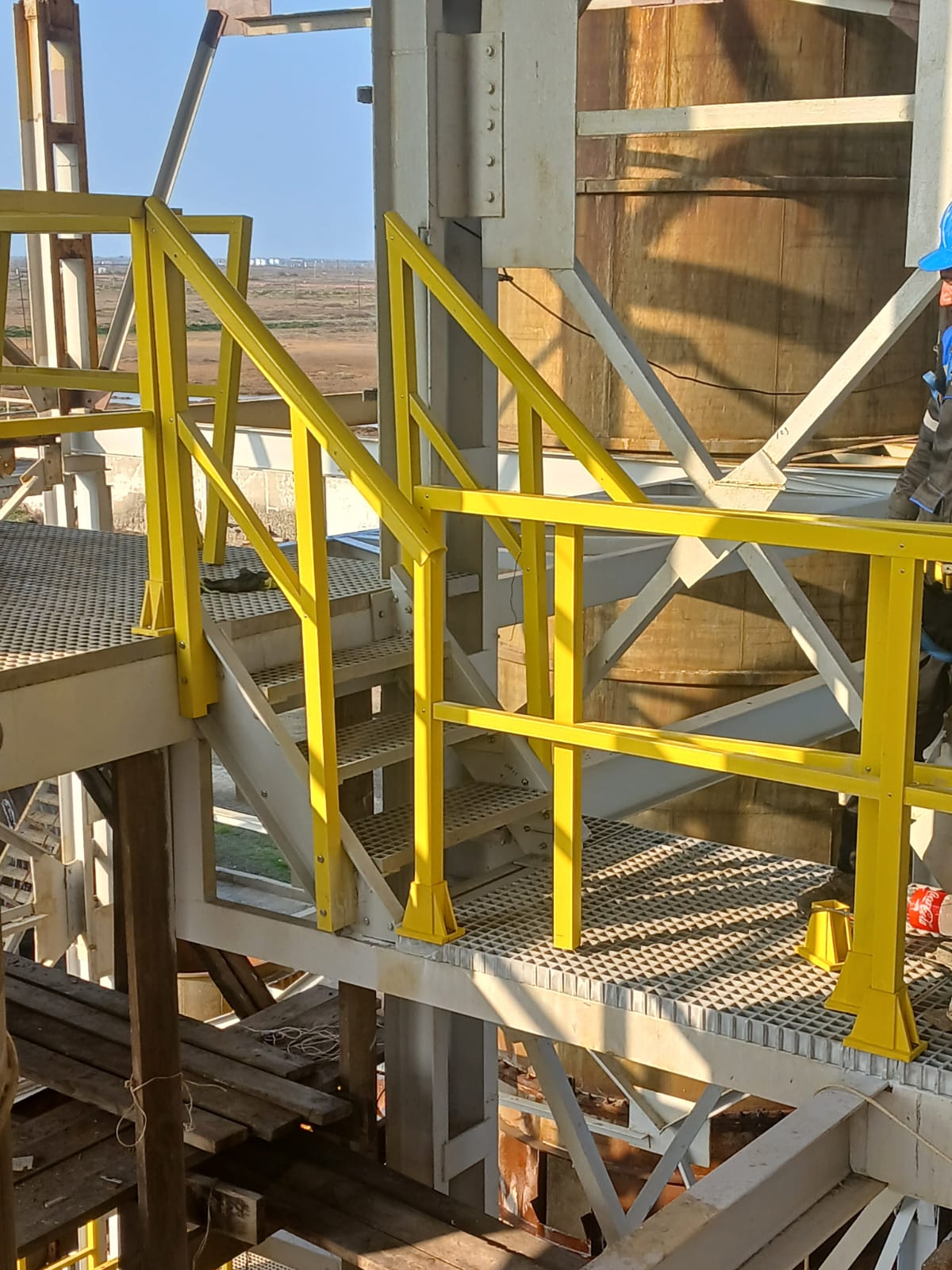
Ensuring that safety features remain effective over time requires more than just initial placement; it demands techniques that stand up to real-world stressors, whether from environmental exposure or operational wear. A key strategy involves selecting materials with proven resilience, such as corrosion-resistant alloys and UV-stable polymers, and combining them with installation methods that account for vibration, thermal expansion, and mechanical loads. By integrating these elements, installers can create setups that not only meet immediate safety standards but also maintain integrity through years of use, reducing the need for frequent maintenance or costly replacements.
Beyond material choice, durability hinges on the precision of installation itself, where techniques like torque-controlled fastening and proper surface preparation prevent common failure points. For example, using calibrated tools to secure bolts ensures consistent clamping force, while thorough cleaning and priming of surfaces before adhesive bonding enhance long-term adhesion. These practices are often overlooked in rushed projects but are critical for preventing gradual degradation that could compromise safety features, highlighting how meticulous execution is just as vital as design specifications.
In practice, longevity is further supported by ongoing monitoring and adaptive maintenance protocols, such as regular inspections that detect early signs of wear or environmental damage. For instance, implementing non-destructive testing methods allows for early intervention without disrupting operations. By embedding durability into the installation process and subsequent care, these techniques foster a proactive safety culture that prioritizes lasting protection over quick fixes, ensuring features remain reliable even as conditions evolve.
Customizable Options to Enhance Aesthetic Appeal and Functionality
Imagine walking into a space that feels uniquely yours, where every detail reflects your personal taste—that's the power of thoughtful customization. Beyond just picking colors, we offer a range of materials and finishes that allow you to craft an environment that resonates with your style, whether it's sleek modern lines or rustic charm. From subtle textures to bold accents, these choices transform ordinary setups into visually engaging experiences, boosting both the look and feel of your surroundings.
Customization isn't just about looks; it's a practical tool for tailoring functionality to your daily needs. Consider adjustable components like modular shelving or ergonomic features that adapt to how you work and live. By integrating smart options, such as configurable lighting or hidden storage solutions, you can maximize efficiency without compromising on design. This blend of form and purpose ensures your space not only looks great but works seamlessly for you.
What sets our approach apart is the freedom to mix and match elements in ways that break from the norm. Instead of cookie-cutter designs, we encourage experimenting with unique combinations—like pairing sustainable materials with innovative tech features. This focus on individuality helps your project stand out, creating a harmonious balance between aesthetic appeal and practical utility that evolves with your changing preferences over time.
High-Quality Materials and Craftsmanship in Chinese Production
China's production landscape has seen a remarkable shift towards prioritizing quality, with high-grade materials now a cornerstone of many manufacturing sectors. From advanced ceramics in electronics to sustainable textiles in fashion, Chinese companies are investing in superior inputs that meet international standards. This focus on material excellence not only enhances product durability and performance but also reflects a broader commitment to innovation and environmental responsibility, setting a new benchmark in global supply chains.
In tandem with material upgrades, Chinese craftsmanship is evolving into a fine art, blending traditional techniques with modern precision. Skilled artisans and state-of-the-art machinery work in harmony to produce items that boast both aesthetic appeal and functional reliability. This synergy allows for intricate detailing and consistent quality across high-volume outputs, showcasing how China's production capabilities have transcended mere cost efficiency to deliver exceptional value and craftsmanship that resonates with discerning consumers worldwide.
The dedication to quality materials and craftsmanship is driving a significant transformation in China's industrial reputation, moving beyond the stereotype of mass production. By fostering a culture of continuous improvement and rigorous quality control, Chinese manufacturers are building trust and fostering long-term partnerships with global brands. This holistic approach not only boosts competitiveness but also highlights China's role as a key player in shaping future trends, where high standards in production become synonymous with reliability and innovation.
Versatile Applications Across Residential and Commercial Projects
From cozy home renovations to bustling office complexes, versatile materials and designs are transforming spaces in both residential and commercial settings. In homes, homeowners are embracing multifunctional solutions—think kitchen backsplashes that double as magnetic boards or modular shelving that adapts to changing needs. Meanwhile, commercial projects leverage durability and aesthetic flexibility, such as flooring that withstands heavy foot traffic while maintaining a polished look for retail stores or healthcare facilities.
Beyond aesthetics, these applications address practical challenges across sectors. In residential builds, energy-efficient windows and smart home integrations enhance comfort and reduce costs, appealing to eco-conscious families. For businesses, versatile acoustic panels in open-plan offices or hospitality venues not only dampen noise but also add branding opportunities through custom designs. This cross-pollination of ideas allows innovations tested in one domain to seamlessly transition to the other, fostering a dynamic ecosystem of improvement.
Ultimately, the versatility shines in how these projects cater to diverse user experiences. A residential backyard might incorporate commercial-grade lighting for evening gatherings, while a corporate lobby could feature residential-inspired lounge areas to boost employee well-being. By blending functionality with creativity, these applications prove that great design isn't confined to a single type of space—it evolves to meet the unique demands of people everywhere.
Trends and Innovations Shaping Future Handrail Solutions
In the world of architectural design and urban planning, handrail solutions are undergoing a transformative shift, moving beyond their traditional role as mere safety features. Today, they are being reimagined as dynamic elements that blend seamlessly with modern aesthetics, enhance user experience, and contribute to sustainable building practices. Innovations in materials, such as the use of recycled composites and smart alloys, are enabling more durable, lightweight, and visually appealing designs. These advancements are not just about meeting code requirements; they are about creating spaces that feel more inviting and functional, adapting to the diverse needs of users in public and private settings alike.
The integration of digital technology is another key trend reshaping handrail systems. From touchless sensors that improve hygiene in high-traffic areas to embedded lighting that guides users in low-visibility conditions, these smart features are making handrails more interactive and responsive. For instance, some prototypes now include energy-harvesting capabilities, using motion to generate power for nearby devices. This convergence of safety and connectivity reflects a broader move toward 'intelligent infrastructure,' where everyday fixtures become part of a larger ecosystem, supporting wellness and efficiency without compromising on style.
Looking ahead, the future of handrail solutions is also being driven by a growing emphasis on inclusivity and customization. Designers are increasingly focusing on ergonomic shapes and adjustable components that cater to individuals with varying abilities, ensuring accessibility for all. Moreover, modular systems allow for easy updates or personalization, enabling spaces to evolve over time. As sustainability concerns continue to rise, we can expect more innovations in eco-friendly production methods and end-of-life recycling, making handrails not only safer and smarter but also more aligned with global environmental goals.
FAQ
Steel handrails are gaining traction in China because they blend durability with sleek, contemporary aesthetics. Architects appreciate how steel allows for creative designs—think minimalist lines or intricate patterns—that complement both residential and commercial spaces. Plus, with China's focus on sustainable construction, steel's recyclability and low maintenance make it a practical choice for long-term use.
To ensure durability, quality materials like stainless or galvanized steel are essential to resist corrosion, especially in humid coastal areas. Proper fabrication techniques, such as welding and finishing, prevent rust and wear. Installation must follow local building codes and consider structural loads, often reinforced with secure anchoring. Regular upkeep, like cleaning and inspections, also prolongs lifespan in high-traffic settings.
Modern steel handrail designs in China are versatile, adapting to various styles. For example, slim, polished rails suit minimalist apartments, while curved or geometric patterns enhance public buildings or heritage sites. Innovations like glass or wooden infills allow customization, blending traditional elements with contemporary looks, ensuring handrails complement everything from skyscrapers to boutique hotels.
Challenges include strict safety regulations, varying site conditions like concrete or tile surfaces, and tight deadlines. Solutions involve using pre-fabricated components for faster assembly, skilled technicians for precise fitting, and advanced tools like laser levels. Coordination with other trades during construction helps avoid delays, ensuring handrails integrate seamlessly without compromising quality or compliance.
Steel handrails often have a higher upfront cost than wood or aluminum due to material and labor expenses. However, they offer better long-term value through durability and low maintenance, reducing replacement needs. In China, competitive manufacturing scales costs down, making steel a cost-effective choice for projects prioritizing longevity and design flexibility over initial savings.
Current trends include smart integration, like LED lighting within rails for ambiance and safety, and eco-friendly finishes using powder coatings. Modular systems allow easy customization and quick installation. There's also a push toward ergonomic designs that balance aesthetics with accessibility, complying with evolving standards while appealing to modern tastes in urban developments.
Conclusion
In China, steel handrail solutions have become integral to modern architecture, blending innovative designs with durable installations to ensure long-term safety. The rise of contemporary Chinese architecture has spurred the development of cutting-edge steel handrail designs that not only meet structural requirements but also enhance aesthetic appeal. Beyond their visual impact, these handrails are crafted using high-quality materials and superior craftsmanship, ensuring resilience against wear and environmental factors. Customizable options allow for seamless integration into diverse projects, from sleek residential spaces to bustling commercial complexes, catering to both functional needs and stylistic preferences.
The versatility of steel handrails is evident in their widespread application across residential and commercial settings, offering reliable safety features without compromising on design. As trends and innovations continue to shape the future of handrail solutions in China, there is a growing emphasis on durable installation techniques that prioritize longevity and performance. This forward-thinking approach ensures that steel handrails remain at the forefront of architectural advancements, combining strength with elegance to create enduring installations that stand the test of time in both form and function.
Contact Us
Contact Person: Nicholas Zhu
Email: [email protected]
Tel/WhatsApp: 18921275456
Website: https://www.sino-grate.com