
Best Bag in Box for Wine: Unlock Fresh Taste and Perfect Preservation
2026-08-05
Wine enthusiasts know the heartbreak of an opened bottle losing its charm. Bag-in-box technology changes that, keeping your favorite vintages fresh for weeks. At the forefront is Kody, a brand that redefines preservation and convenience. Discover how Kody's innovative design unlocks every glass's full potential, ensuring no sip is ever wasted.
How the Bag-in-Box Keeps Wine Alive Long After Opening
Unlike a traditional bottle, once you pop the cork, oxygen rushes in and starts a countdown to vinegar. The bag-in-box sidesteps this entirely with a vacuum-sealed, collapsible bladder. As you pour, the bag shrinks around the remaining wine, preventing any air from entering. There's no headspace where oxygen would normally sit and spoil the flavor.
The tap itself acts as a one-way valve. It lets wine out but keeps air from sneaking back inside. This simple mechanism means the last glass tastes as fresh as the first, even weeks after opening. You don't need to worry about recorking or using preservative gadgets—the packaging does all the work.
Temperature stability also plays a role. The multi-layer bag and outer box insulate the wine from rapid temperature swings, which can accelerate oxidation. So whether it sits on your counter or in the fridge, the wine stays in a protected little cocoon, extending its lifespan far beyond what a glass bottle can offer.
The Secret Behind Every Perfect Pour from a Box
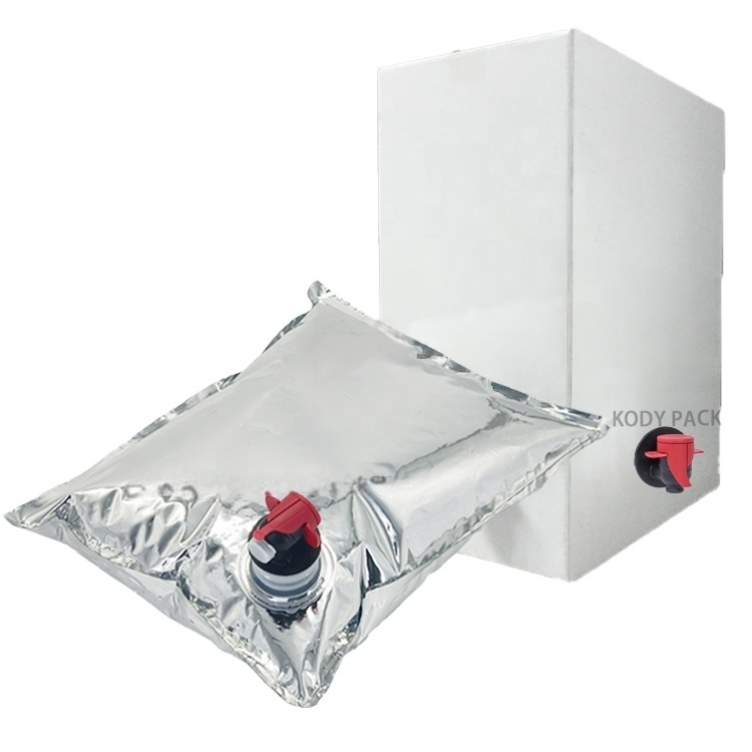
It starts with the inner bladder—a multi-layered, collapsible pouch that hugs the liquid like a second skin. Unlike a rigid bottle, this flexible vessel deflates as you pour, preventing air from sneaking in and spoiling what’s inside. That’s why every glass tastes just as fresh as the first, whether you open it tonight or three weeks from now.
The tap itself is engineered for precision. A spring-loaded valve or a simple gravity-fed spigot controls the flow without glugging or splashing, giving you a steady stream with minimal effort. The angle and shape of the nozzle are calculated to break surface tension cleanly, so drips become a rarity rather than an annoyance.
Why More Wine Lovers Are Swapping Bottles for Boxes
It used to be that boxed wine was the punchline of a bad joke, something you'd hide in the fridge when guests came over. But that stigma is fading fast. Today, discerning wine lovers are quietly reaching for the box on the bottom shelf, and for good reason. The shift isn't just about saving a few bucks—it's about quality, convenience, and a more thoughtful way to enjoy wine every day.
Boxed wine stays fresh for weeks after opening, thanks to the vacuum-sealed bag that collapses as you pour. No more dumping half a bottle down the drain because you only wanted a glass with dinner. This simple innovation means you can keep a decent red and a crisp white on hand at all times, ready for whenever the mood strikes. And the format isn't limited to cheap, mass-produced juice anymore; small producers are now putting seriously good wine in boxes, from organic Spanish garnacha to elegant Oregon pinot noir.
Then there's the environmental perk. That bag-in-box uses less energy to produce and transport than heavy glass bottles, and the packaging is often recyclable. For someone who cares about their carbon footprint but doesn't want to preach about it, switching to boxed wine is a quiet, practical step. It's wine that fits a real life—unpretentious, long-lasting, and surprisingly good. No wonder the bottles are starting to look a little outdated.
No Cork, No Fuss: Effortless Entertaining with Boxed Wine
Hosting a get-together shouldn't mean wrestling with a corkscrew or hunting for a lost bottle opener. Boxed wine eliminates that struggle entirely—just pop the spigot, and you're pouring. It's designed for instant access, so you can keep the conversation flowing instead of fumbling in a kitchen drawer.
Beyond the convenience, the clever packaging keeps wine fresh for weeks after opening. That means you can offer a glass without committing to a full bottle, and there's no pressure to finish it all in one evening. It's a low-stakes way to let guests help themselves, whether they prefer a splash or a generous pour.
There's also a casual elegance to boxed wine that fits right into relaxed entertaining. No ceremony, no pretense—just good wine ready when you are. From backyard barbecues to cozy dinner parties, it's a reminder that the best hosting is about ease and connection, not fuss.
Freshness That Lasts—From First Glass to Last
Ever poured a cold brew or freshly squeezed juice only to find it dull and stale by the time you reach the bottom of the glass? That gradual fade in flavor is something most people quietly accept—dilution from melting ice, oxidation, or just the slow march of time turning a bright sip into a flat one. It doesn't have to be that way.
The secret lies in a carefully balanced seal that locks out air while maintaining the drink's original temperature longer, without altering taste. No metallic aftertaste, no artificial lining—just a pure, unbroken flavor arc from the first pour to the last drop. Think of it as a quiet shield, preserving the vibrant notes of your coffee, tea, or infused water exactly as they were meant to be experienced.
The result is a glass that holds onto its character no matter how slowly you sip. Morning juice stays as bright at ten-thirty as it did at eight, and that afternoon iced latte doesn't fade into watery regret. It’s the kind of freshness you notice without thinking about—until you realize you’ve finished every ounce, wishing there were just a little more.
The Eco-Friendly Wine Choice You Didn’t Know You Needed
It starts with a simple shift most of us overlook: the bottle itself. Traditional glass, while classic, carries a hefty carbon footprint from production to transport. Now, a growing number of winemakers are swapping heavy glass for lightweight alternatives, recycled materials, or even innovative packaging like bag-in-box and cans. These formats slash emissions without compromising what's inside—often preserving freshness longer. The result? A guilt-free pour that doesn't sacrifice taste for sustainability.
Beyond packaging, there's a quiet revolution in the vineyard. Regenerative agriculture is gaining ground, moving past organic to actively restore soil health, sequester carbon, and promote biodiversity. Picture cover crops between rows, sheep grazing instead of mowers, and flourishing insect life — all working in harmony. This hands-off philosophy leads to grapes that genuinely reflect their terroir, giving you a wine with depth and a backstory rooted in healing the planet.
What really seals the deal is how accessible these choices have become. No longer confined to niche health food stores or premium price tags, eco-conscious wines are popping up at local shops and even subscription boxes curated for your palate. Many bottles now carry clear certifications like Demeter or LIVE, making it easy to spot options that align with your values. It's the kind of choice that feels good long after the last sip — a small upgrade with a lasting impact.
FAQ
It limits oxygen exposure after opening, keeping the wine fresh for weeks instead of days. The collapsible bag prevents air from entering, so you can enjoy a glass at a time without wasting the rest.
Typically four to six weeks, which is far longer than a bottle. The secret is the airtight tap system that stops oxidation, making it ideal for casual drinkers who don't finish a bottle quickly.
Absolutely—many premium producers now use this format. The bag-in-box doesn't affect taste negatively; in fact, it preserves the intended flavor profile better once opened. It's more about convenience than compromise.
Not at all. While they were once associated with budget options, you can now find high-quality, award-winning wines in this packaging. It's a smart choice for eco-conscious and quality-focused drinkers alike.
Focus on the wine's origin, grape variety, and producer reputation. A reliable tap mechanism and multi-layer bag that blocks light and oxygen are also crucial for long-lasting freshness.
Yes, refrigeration is recommended for white and rosé wines, and it won't harm the packaging. For reds, a cool, dark place is fine. The inner bag protects the wine from temperature fluctuations better than a bottle, preserving the taste.
It reduces carbon footprint significantly—the packaging is lighter, takes less space to transport, and uses less energy to produce. Many are recyclable, making it a greener option for wine lovers.
Just place it on a counter, press the tap, and pour—no drips if you let go cleanly. There's no need to tilt or worry about sediment. It's perfect for outdoor events or casual dining where ease matters.
Conclusion
The best bag-in-box wines transform everyday drinking by preserving freshness for weeks, not days. Once opened, the inner bladder collapses to keep air away from the wine, preventing oxidation and locking in the vibrant flavors you tasted at first pour. No cork, no fuss—just an effortless stream of perfectly preserved wine, glass after glass. This simple innovation means you can savor a single glass without committing to a whole bottle, making it ideal for casual dinners, outdoor picnics, or spontaneous gatherings. The clever tap system ensures a smooth pour every time, without drips or spills, elevating the experience from box to table.
Beyond convenience, bag-in-box packaging is a conscious choice for both wine lovers and the planet. It significantly reduces packaging waste compared to heavy glass bottles, and its lighter weight slashes carbon emissions during transport. More people are swapping bottles for boxes, drawn to the blend of quality, value, and sustainability. Whether you’re hosting a party or simply enjoying a quiet evening, boxed wine delivers freshness from the first glass to the last, proving that great taste and eco-friendly design can go hand in hand.
Contact Us
Contact Person: Cindy Lee
Email: [email protected]
Tel/WhatsApp: 8613622669331
Website: https://www.dgkody.com